
[Note]
This article is written for specific customers only. We do not normally rent out 50cc bikes. If you’re interested, please contact us directly.
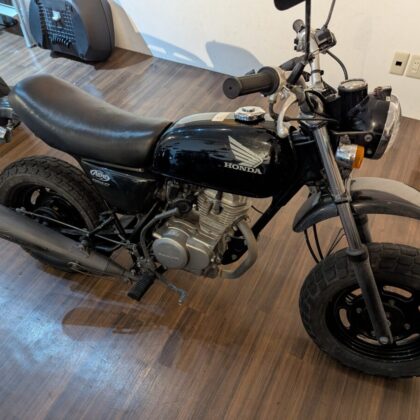
〇 About the Ape50
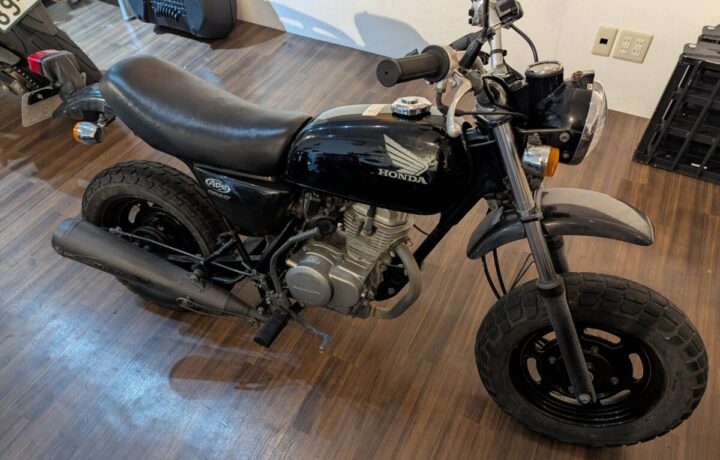
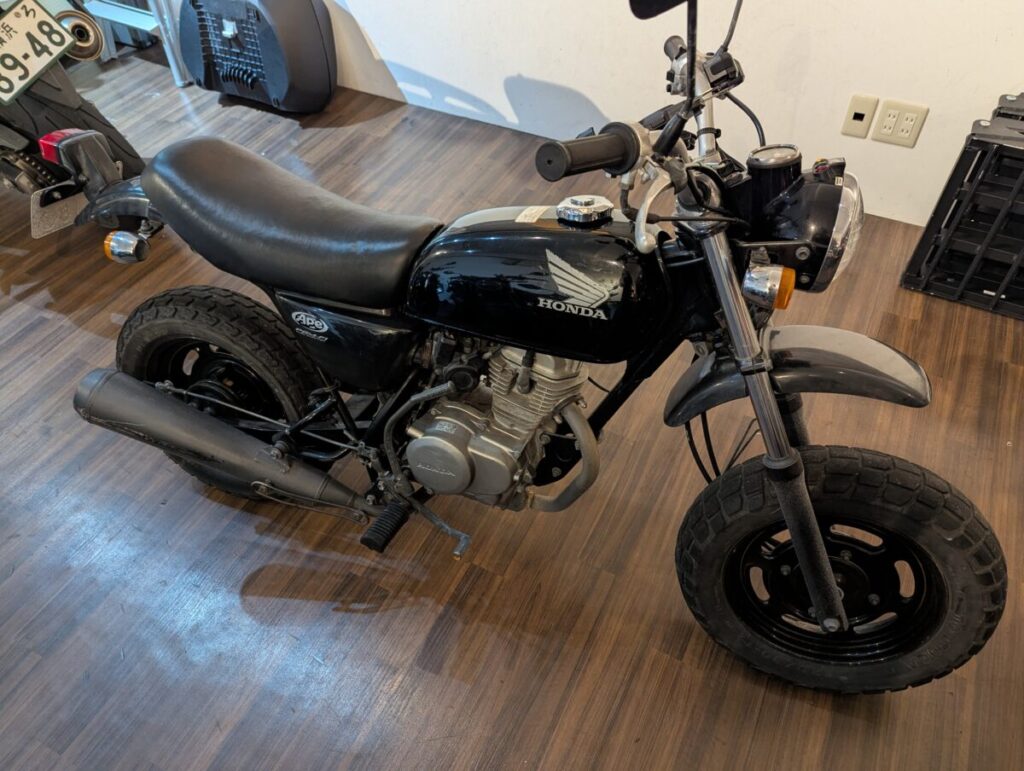
Under Japanese law, a 50cc bike isn’t classified as a “motorcycle” — it’s officially called a “motorized bicycle” (原動機付自転車), meaning literally “a bicycle with an engine.” It’s also commonly known as a “moped.”
Advantages
Since 50cc and under is legally treated as a bicycle category, you don’t need a motorcycle license to ride one. That said, you do still need a car license. If your IDP has a stamp in the “B” section, you’ll likely be able to ride one (this varies by country, so it can’t be guaranteed — but in most cases, it should be fine).
Disadvantages
50cc bikes come with their own unique set of rules that don’t apply to cars or regular motorcycles. We’ll go over these below.
〇 50cc Rules
- No expressways or toll roads. This model is designed strictly for general roads and local city riding.
- Speed limit: 30 km/h. Old 50cc bikes used to only be powerful enough to reach 30 km/h, and ironically, the law has never been updated since — this limit is a holdover from that era. In practice, plenty of riders go faster than 30 km/h, but legally, it still counts as speeding.
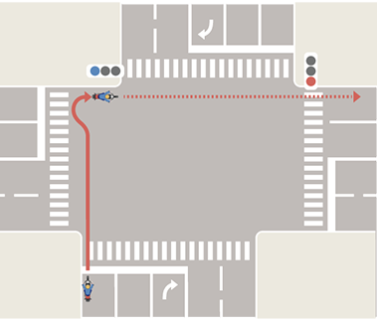
- Two-stage right turn. Even many Japanese people don’t fully understand this rule. At intersections with multiple lanes, you’re required to make a right turn as shown in the illustration below. This mainly applies to larger roads in city centers.
Since these 50cc-specific rules can be confusing, we normally don’t rent this bike out to overseas visitors. If you do use it, please make sure to review the points above carefully.
〇 How to Operate It
The Ape50 has only the most minimal, simple mechanisms.
Starting the engine
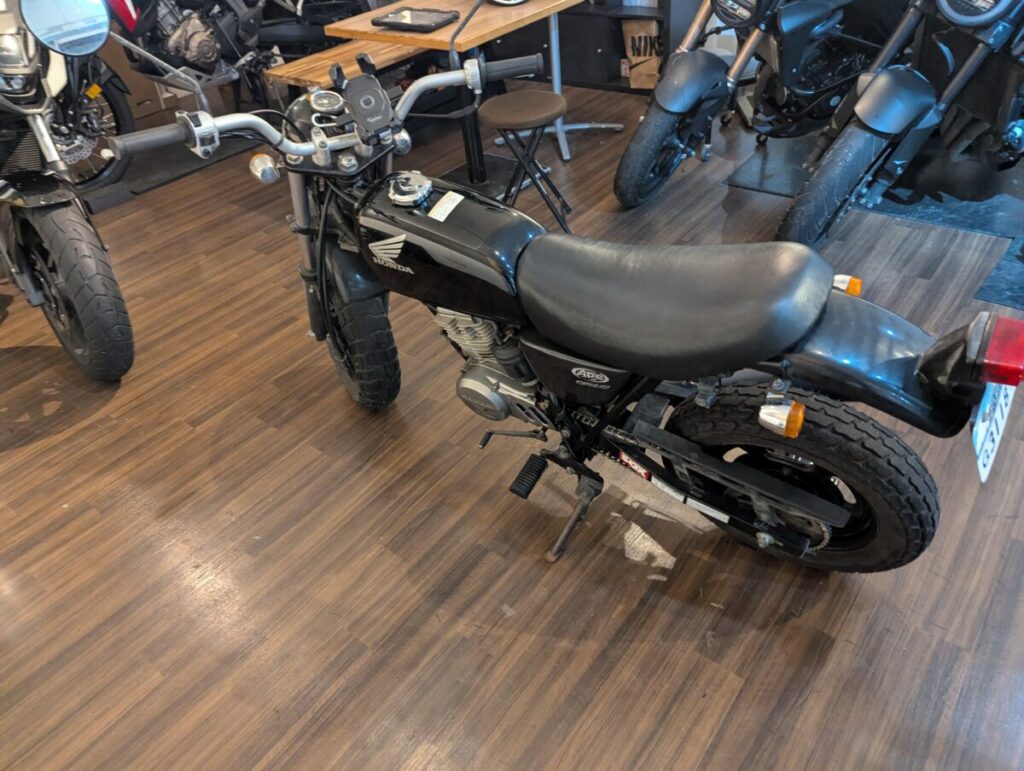
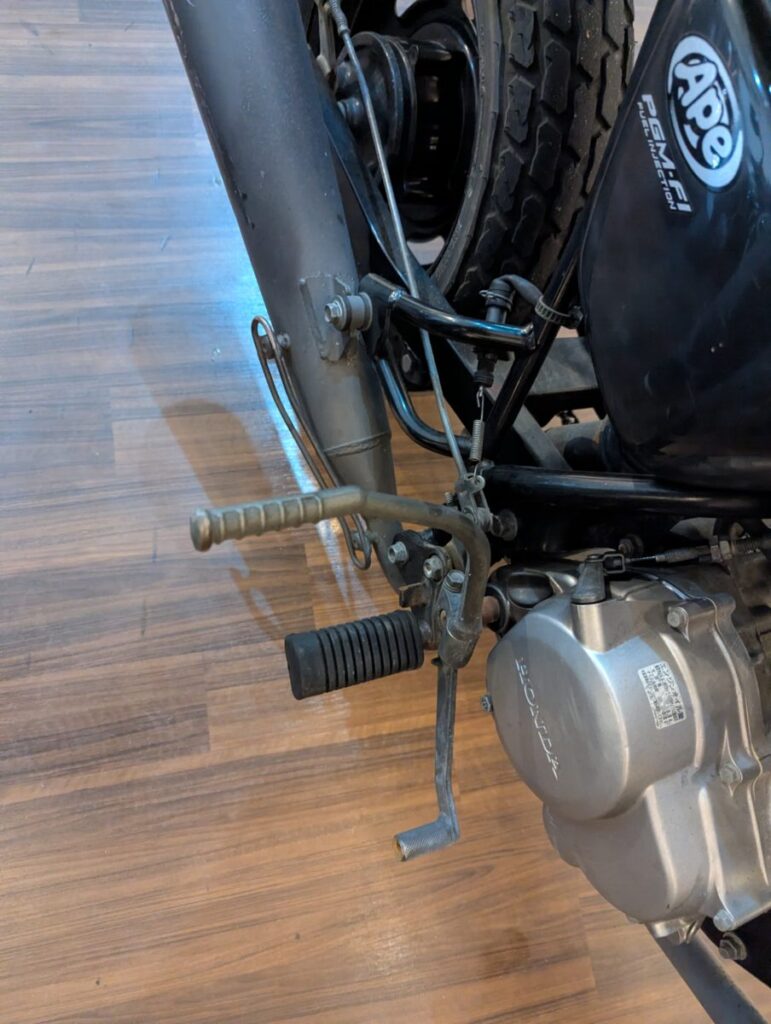
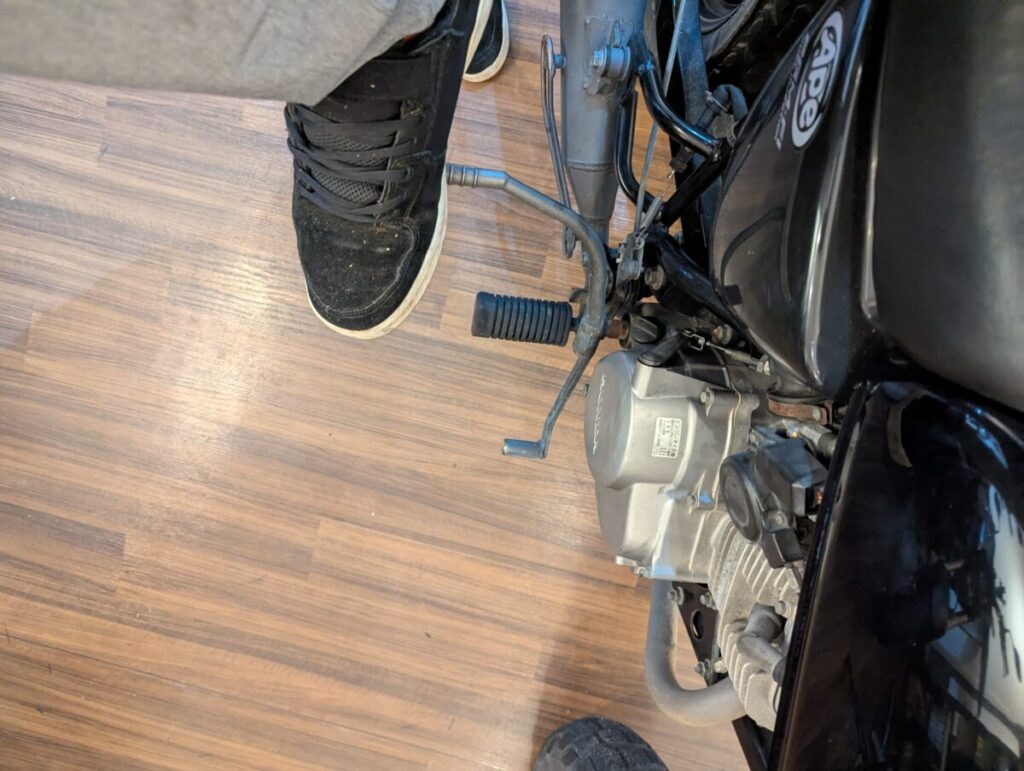
There’s no electric starter — it’s kick-start only. Turn the key to ON, then firmly stomp down on the lever mounted beside the engine with your foot.
Idling
This isn’t a carburetor bike — it uses fuel injection (computer-controlled), so idling stabilizes relatively quickly.
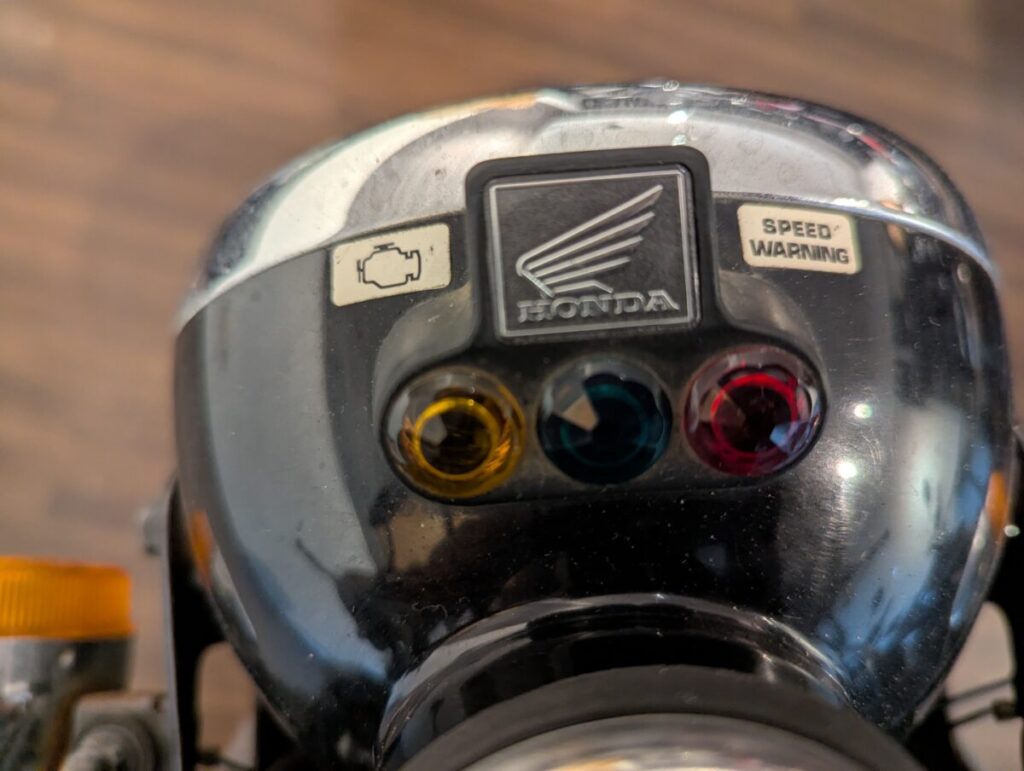
The three lights
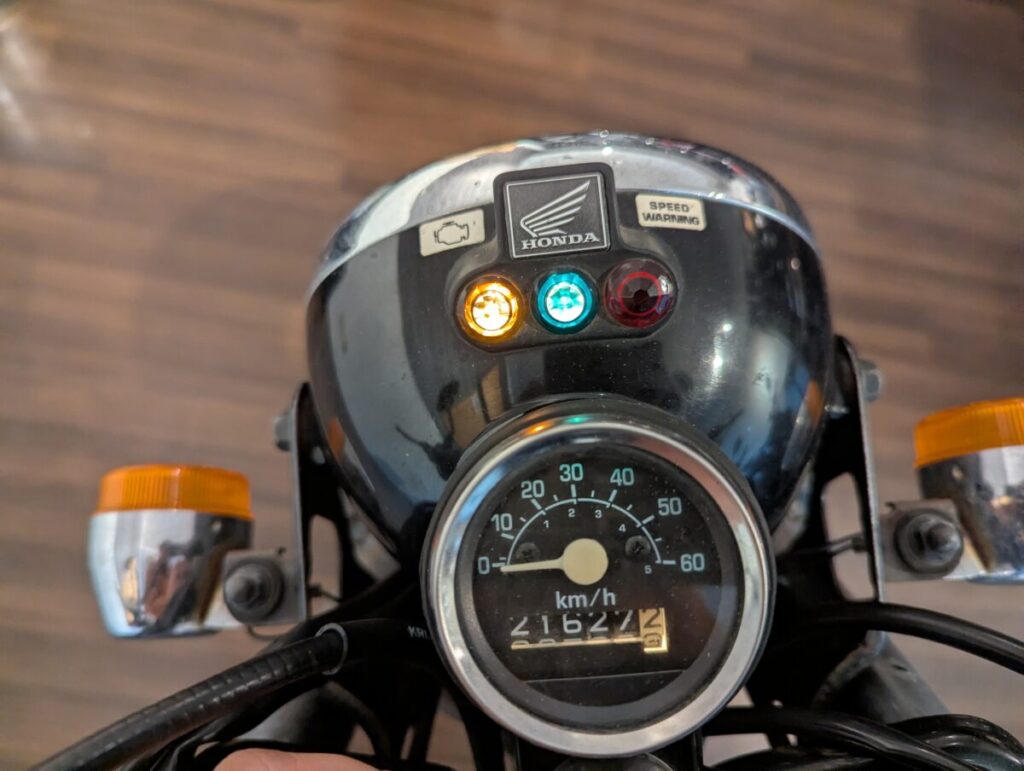
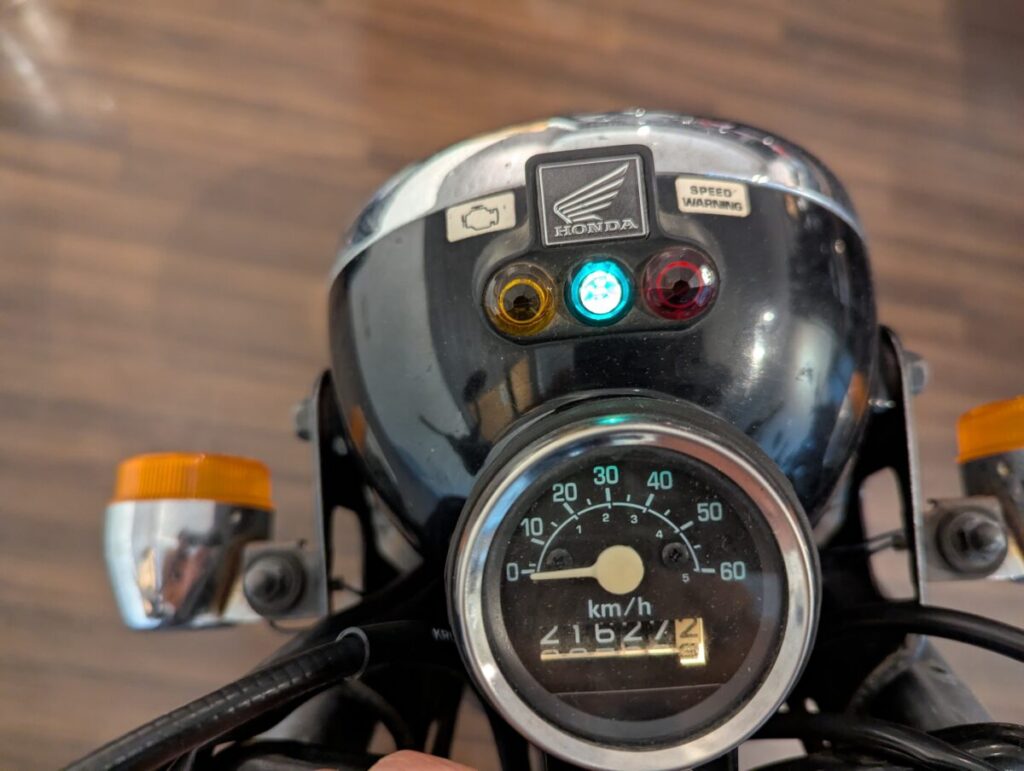
- Middle (green) — Neutral indicator. The bike needs to be in neutral when starting.
- Right (red) — Lights up as a warning when you’re going too fast, generally around 40 km/h.
- Left (yellow) — Engine check light. If this comes on while riding, stop riding — it likely means something’s wrong with the engine. It may flash briefly when starting the engine, which is normal and not a concern.
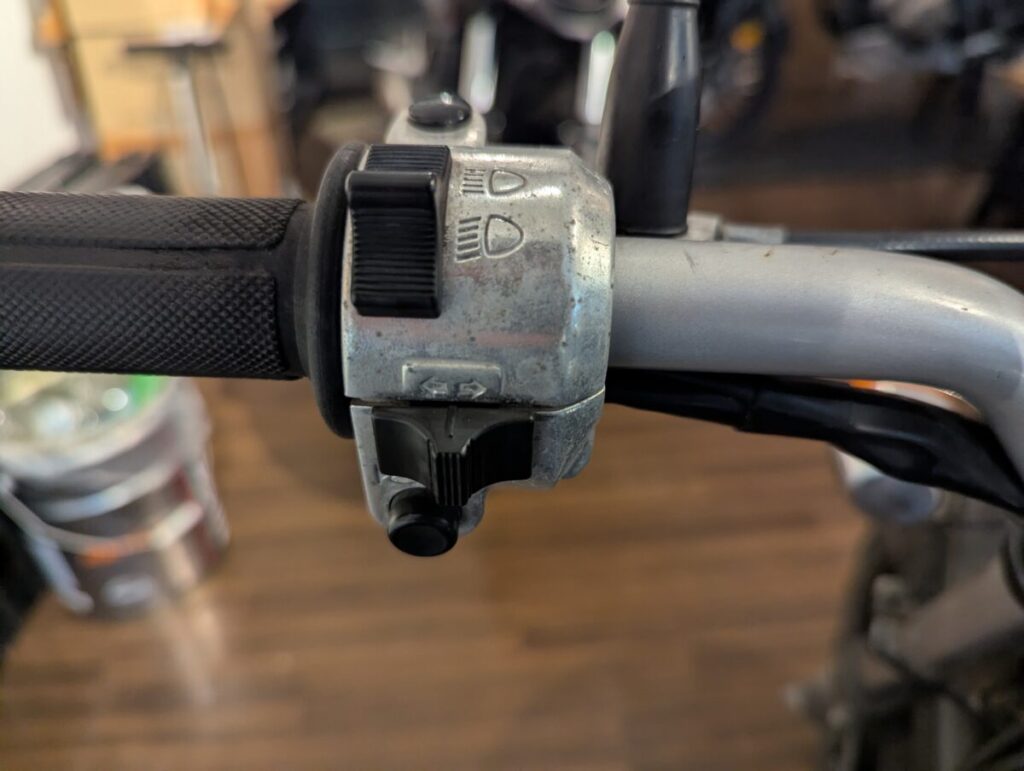
Left-hand switches
Most of the switches are on the left side.
- Top lever — Headlight low/high beam
- Middle lever — Turn signals (manually reset each time)
- Bottom button — Horn (only use it to signal danger, never otherwise)
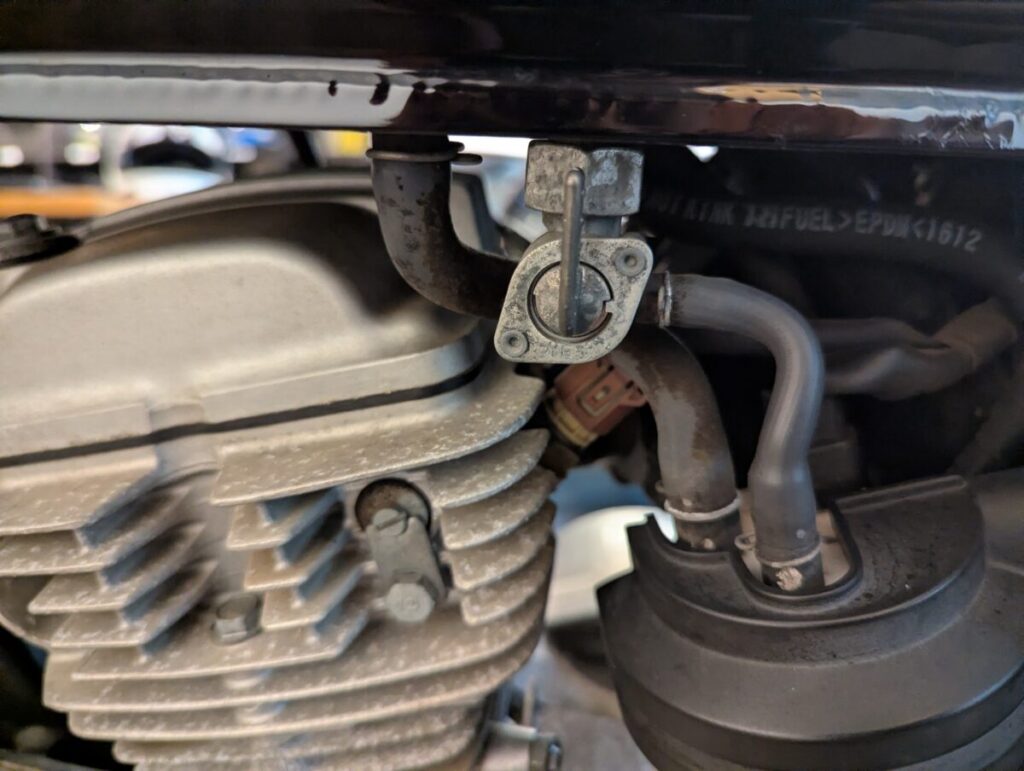
Refueling
The Ape doesn’t have a fuel gauge warning light! If you run out of gas and the bike stops, flip the lever under the tank downward to switch to the reserve tank. Once on reserve, you’ll need to find a gas station soon to refuel.
That said, no need to worry — the Ape50 is extremely fuel-efficient. You can expect close to 50km per liter of gas, sometimes even more.
Use regular gasoline — the red nozzle. Please be careful not to mix this up!
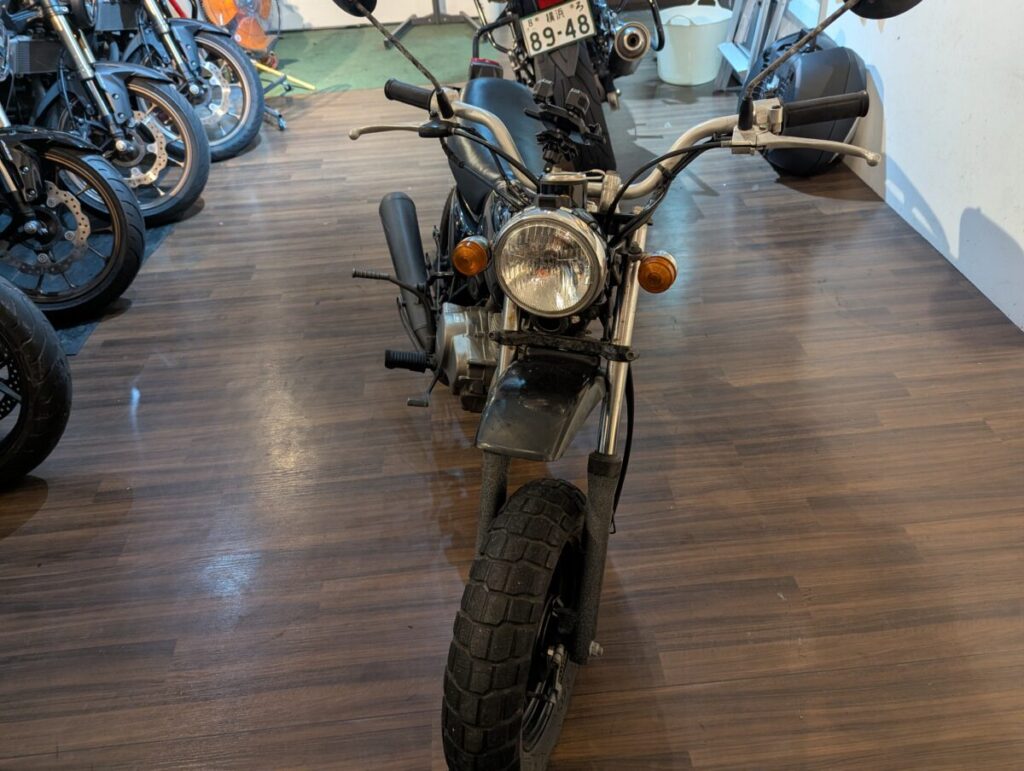
Recommended routes
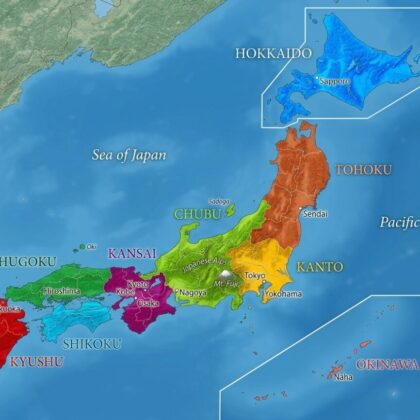
Since the Ape50 can’t use expressways, the areas you can ride to are somewhat limited. That said, aside from “Stop 6: Umihotaru Parking Area” on our guided model course 3 (“Ferry route, Chiba Boso Peninsula”), the rest of the route can be enjoyed entirely on regular roads. 2-3 days would be a good amount of time for this distance.
If you haven’t settled on a destination yet, feel free to use this as a reference.