Road Conditions in Japan
Posted September 2026
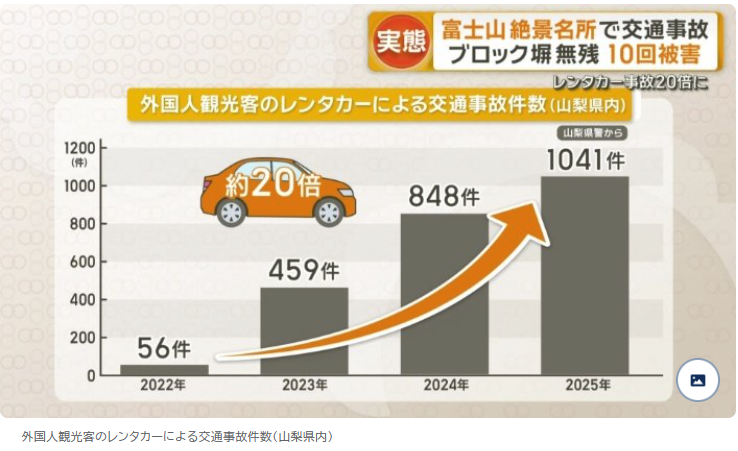
In 2026, the number of accidents caused by foreign visitors driving rental cars in Japan reached an all-time high. Below is an image from an actual Japanese news broadcast — it reported that accidents in popular tourist areas had increased by roughly 20 times.
Against this backdrop, more and more companies in Japan are now refusing to rent to foreign visitors, or to those using an IDP (International Driving Permit). This isn’t limited to rental cars — the same trend is happening with rental motorcycles.
I believe the foreign visitors involved in these accidents are, for the most part, people who simply didn’t understand certain rules. Some accidents are unavoidable, of course. But knowing the rules genuinely helps prevent them. If an accident happens, it’s not just a problem for me — it can ruin your entire trip to Japan.
I can speak everyday English, but I’m not able to give detailed technical explanations, and going through everything in person would simply take too much time. That’s why I’m asking you to read this article in advance. It includes real, practical information you won’t find in a typical driving guidebook.
As a Japanese person, I find the sharp rise in accidents involving foreign visitors genuinely sad. But I love motorcycles and I love travel — so RIDE-TOURISM will keep welcoming foreign riders and IDP holders. I truly believe the best way to experience Japan is on two wheels.
1. Fueling Mistakes
Some of you may be thinking, “Ken already told me this before” — but please read it again, carefully. This is the single trouble we fear the most.
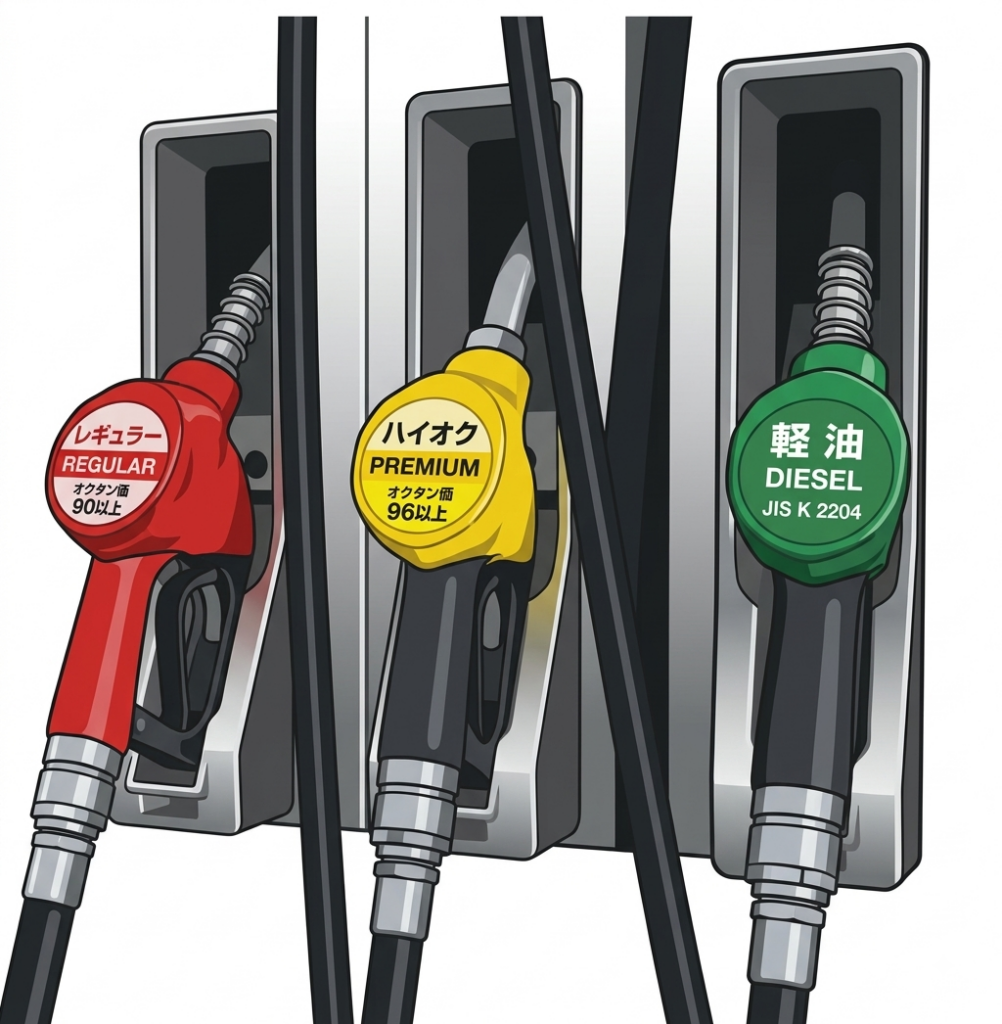
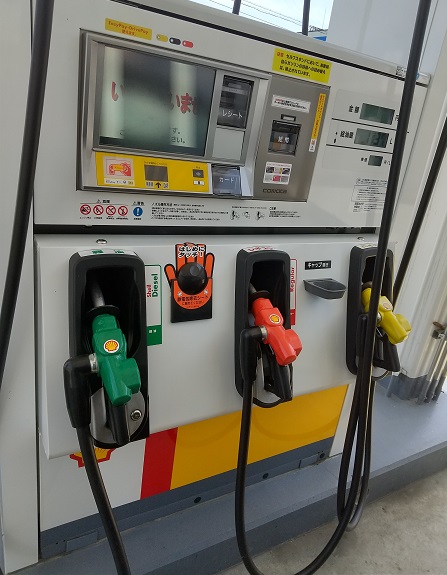
Always use the red nozzle. Never use the green one.
Red = gasoline. Green = diesel.
This surprises a lot of people, but fueling mistakes by foreign visitors are actually quite common with both rental cars and rental motorcycles in Japan. In some countries, green means gasoline. There’s also a lot of incorrect information floating around online claiming “green nozzles mean gasoline in Japan.” Worse still, there have even been cases of AI tools picking up this wrong information and repeating it as fact. That’s exactly why this mistake happens so often.
Fueling mistakes are not covered by the liability waiver. Not only would your trip come to an end, but you’d also be responsible for a very expensive repair bill. In some cases, I could lose the motorcycle entirely, and it might mean the next customer can’t rent it either. If this mistake happens, nobody comes out happy. Please, whatever else you forget — don’t forget this. Red nozzle, every time.
By the way, the yellow nozzle is high-octane gasoline. It’s not a problem if you use it, but there’s no need to.
2. Drunk Driving
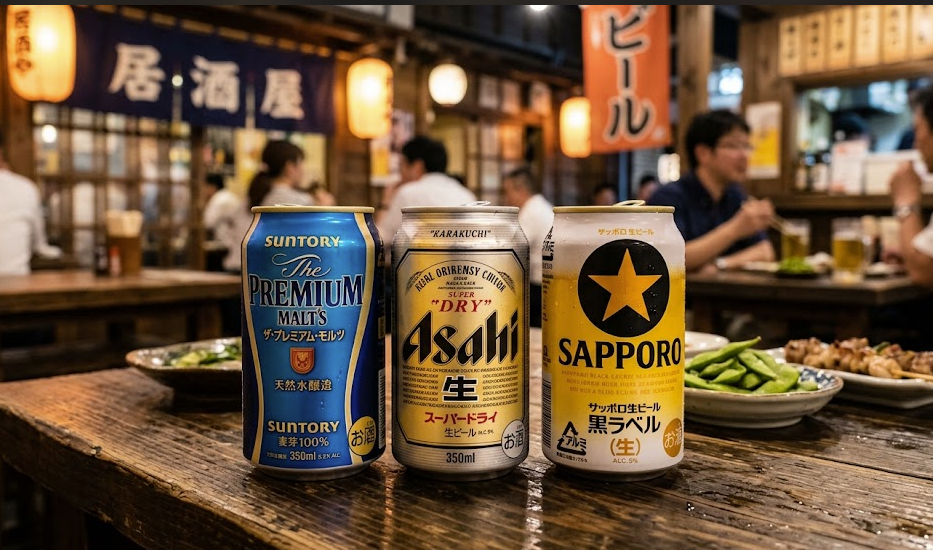
In your home country, a small amount of alcohol before driving might be legal. In Japan, it is absolutely not. Not even a single sip. This is a far more serious offense than you might expect — heavy fines, potentially even prison, and if you’re involved in an accident, your insurance will not pay out at all. In the worst cases, this can genuinely ruin your life.
Japan’s drunk driving penalties used to be more lenient, but after a series of tragic, fatal accidents, the laws were changed. It is now treated as a serious crime.
3. ETC & Toll Roads
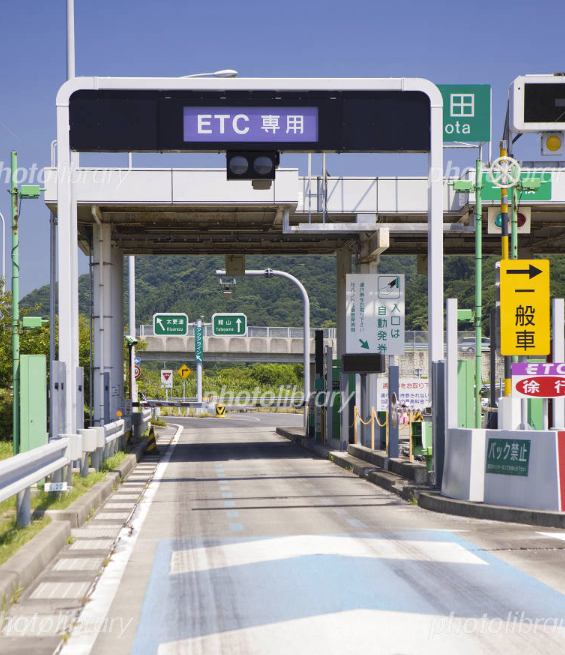
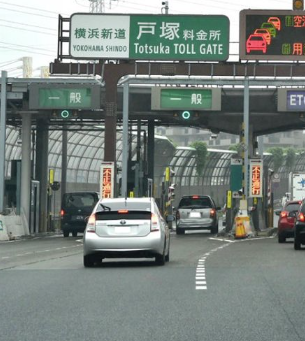
ETC is Japan’s automatic toll payment system for expressways. The mechanism is simple: a card similar to a credit card is inserted into a reader on the bike, and charges are deducted from it automatically. All of our motorcycles are equipped with ETC, and we bill you for usage afterward.
A lot of foreign visitors have questions about this, so let’s go through it properly:
- ETC gates are purple and clearly labeled “ETC,” so you shouldn’t mistake them.
- Enter the gate at a slow, controllable speed — around 30 km/h or less, so you can stop at any moment.
- If the barrier doesn’t open, stop immediately and wait for staff assistance.
- Green gates are for cash payment, with staff present.
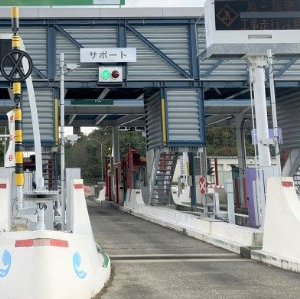
- White gates are labeled “サポート” (support) in Japanese — this is for vehicles without ETC that accidentally enter an ETC-only lane. If you end up at either of these by mistake, simply explain that your bike is equipped with ETC and you’ll be fine.
More and more roads now require ETC to use at all. ETC also comes with discounts, making it the best option for long-distance travel. Don’t worry about the calculations — I handle all of that for you.
⚠️ In rural parts of Japan, many toll roads are cash-only and don’t accept ETC. There are also confusing non-ETC systems like ETCX and ETCGO, especially common around the Izu Peninsula and Hakone — these trip up Japanese drivers too. Always carry cash with you, just in case.
4. In Case of an Accident
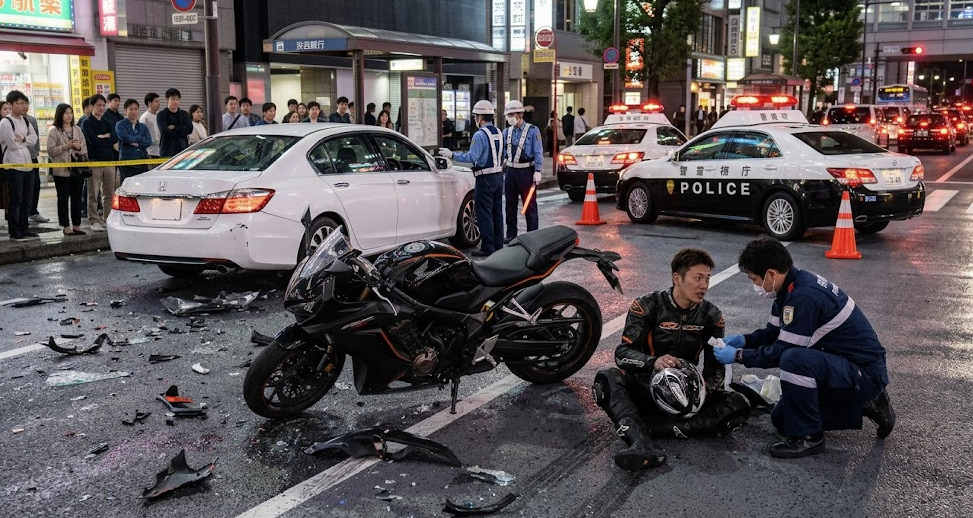
If anyone is injured, call 119 first. English-speaking support should be available — ask to be connected.
After that, call 110 for the police. It’s fine to call this after 119 — injured people always come first.
The one thing you must never do after an accident is skip calling the police. Even for a minor accident, do not settle things on the spot with the other party. And even in a single-vehicle accident with no other party involved, you still need to call the police — a police report is required if you plan to make an insurance claim.
If the motorcycle can’t be ridden, call Roadside Assistance as well.
Contacting us can come last — the important thing is to never forget 110 (and 119 if needed) first.
5. Lane Filtering
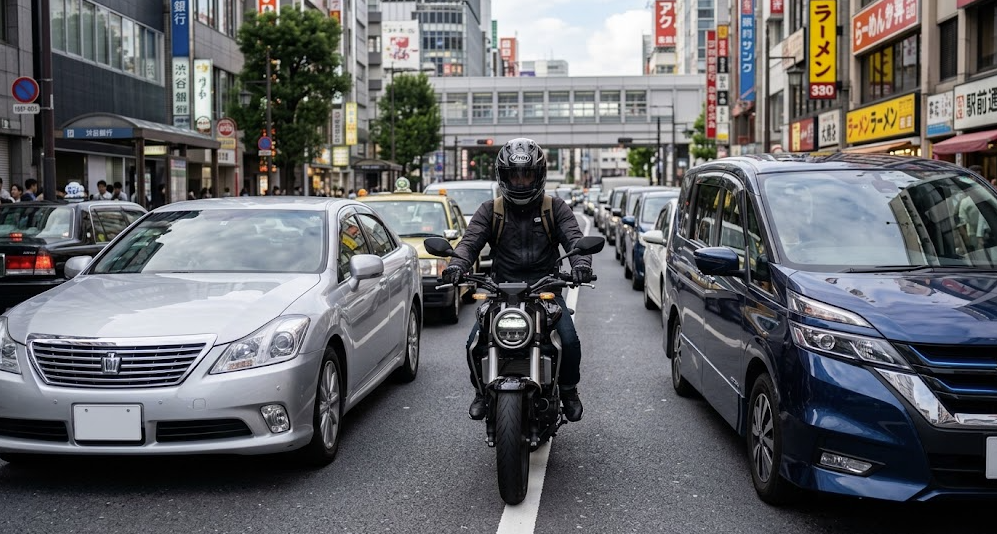
In Japan, filtering between cars to pass isn’t technically illegal. That said, a large number of motorcycle accidents happen exactly while filtering — so it’s best avoided.
That said, in heavy traffic where you can maintain a safe distance from surrounding cars, it’s sometimes unavoidable.
6. Pedestrian Priority
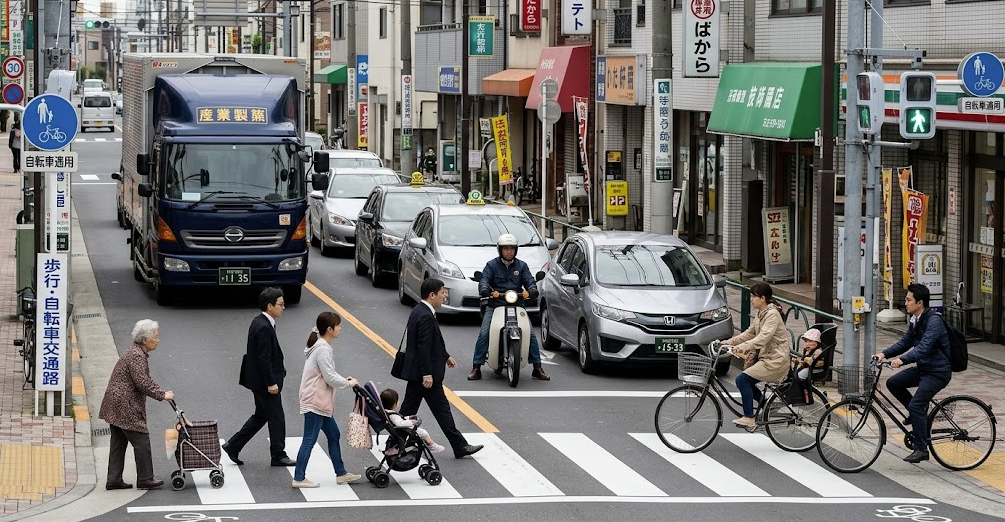
In Japan, the larger the vehicle, the more consideration it must give to smaller road users. Trucks give way to cars. Cars must give way to motorcycles. Motorcycles must give way to bicycles and pedestrians — you must never obstruct their path.
This may be the opposite of how things work in your home country, so please keep this in mind!
7. Speed Limits
As of September 1, 2026, the law has changed. Roads without a posted speed limit sign now have a default limit of 30 km/h (previously 60 km/h).
In practice, most traffic on Japanese roads moves at roughly the posted speed +10 km/h, but you should always aim to ride safely at the posted limit. Toll expressways are typically 80–100 km/h, with some sections up to 120 km/h.
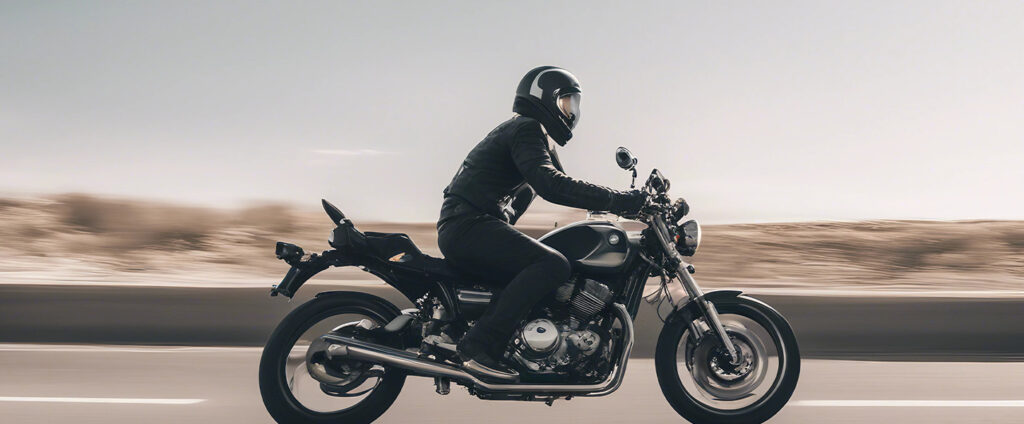
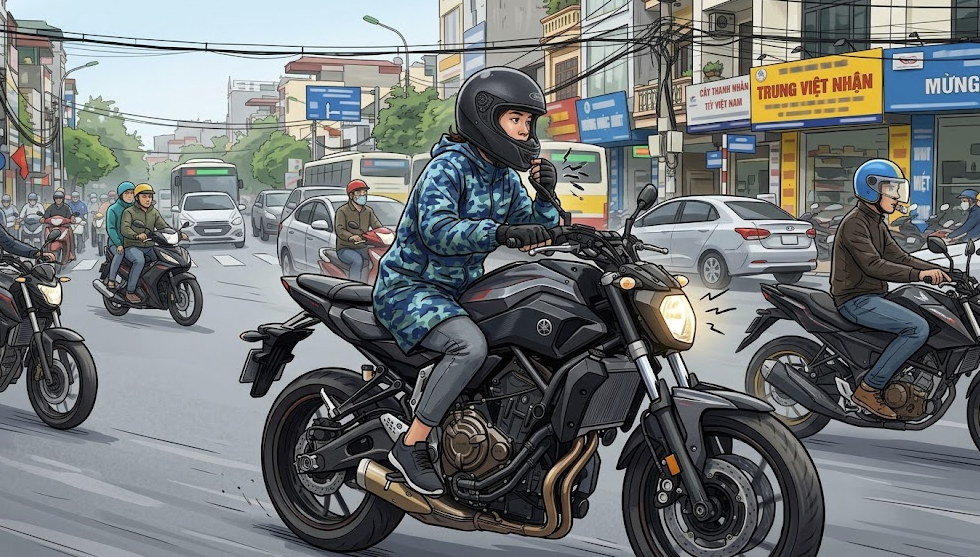
8. Horn Use & Aggressive Driving
In some Middle Eastern and Asian countries, it’s common to use the horn frequently just to signal your presence on the road. Japan has almost the opposite culture around this.
In Japan, the horn is meant to be used only to warn of danger.
Tailgating aggressively or repeatedly blocking another vehicle’s path — commonly known as “aori unten” (road rage driving) — was made a serious criminal offense under a 2020 law change, punishable by imprisonment in serious cases. What might feel like harmless frustration in the moment can legally be treated as a serious crime here.
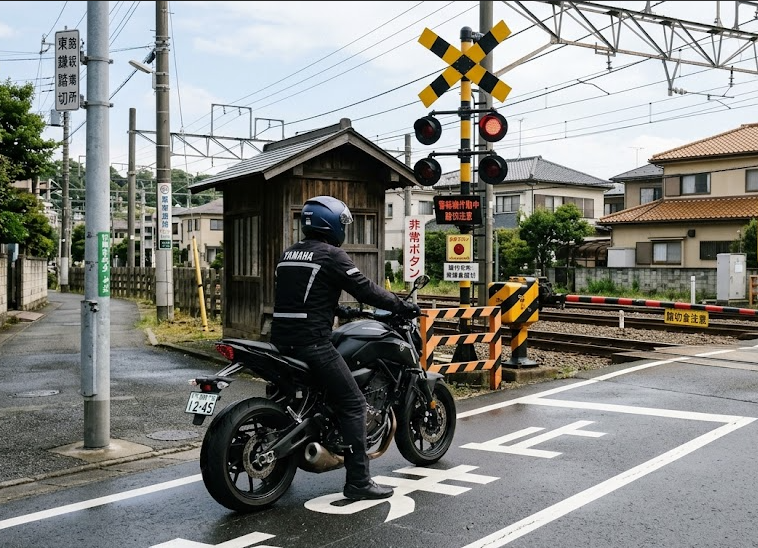
9. Stopping at Railroad Crossings
In many countries, if the barrier is up and there’s no alarm sounding, it’s normal to simply ride through a railroad crossing without slowing down.
In Japan, the law requires you to come to a complete stop before every railroad crossing and check that it’s safe before proceeding — regardless of whether the barrier is up or down. Failing to do so is a traffic violation.
Motorcycles in particular can find the rails themselves slippery, so stopping to check isn’t just about following the law — it’s an important safety habit too.
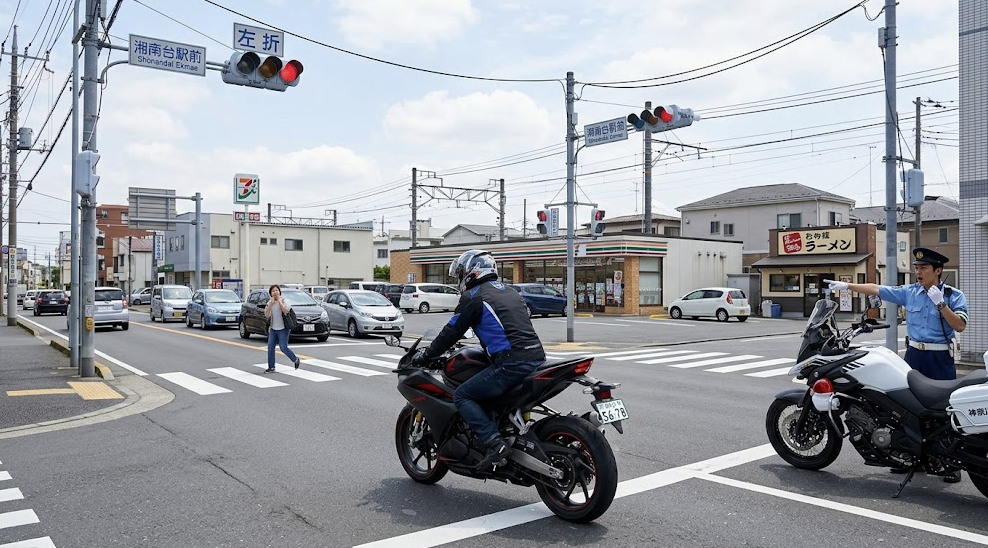
10. No Right Turn (or Left Turn) on Red
In the U.S. and some other countries, it’s legal to turn right on a red light after checking it’s safe to do so (“Right on Red”).
In Japan, this is completely prohibited. While the light is red, you must wait to turn — in either direction — unless a green arrow signal is specifically shown.
Since Japan drives on the left, the turn that corresponds to America’s “right on red” is actually a left turn here. Some countries allow a similar free turn in that direction, but in Japan, the same rule applies — you must wait for the green light or a green arrow, no exceptions.
11. Motorcycle Parking
Parking rules in Japan vary quite a bit depending on where you are.
In rural areas and smaller towns, you’ll generally find it easy to park almost anywhere sensible — locals do the same, and it’s rarely an issue.
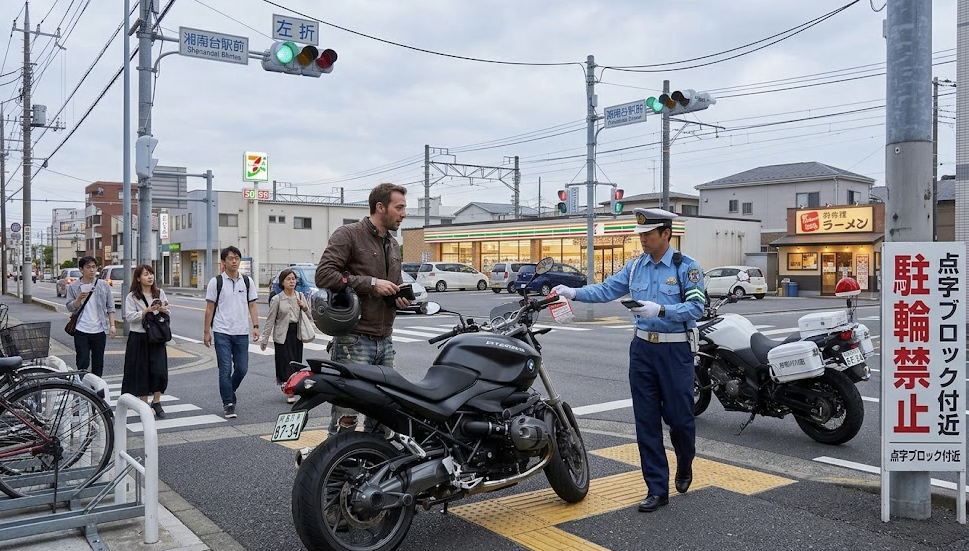
In city centers, however, it’s a different story. Illegally parked motorcycles can be towed and impounded, and retrieving one usually means a trip to a holding lot plus a fine — enough to eat up half a day of your trip. In these areas, look for a proper motorcycle parking spot: coin parking chains like Times increasingly have dedicated motorcycle spaces, and train stations often have paid motorcycle parking nearby.
A brief stop — for example, running into a convenience store — is generally fine anywhere in Japan, city or countryside, as long as you’re not blocking traffic or pedestrians and you keep it short.
If you’re ever unsure where to park, feel free to ask us — we’re always happy to help you find a safe spot along your route.